What to look for across Connecticut
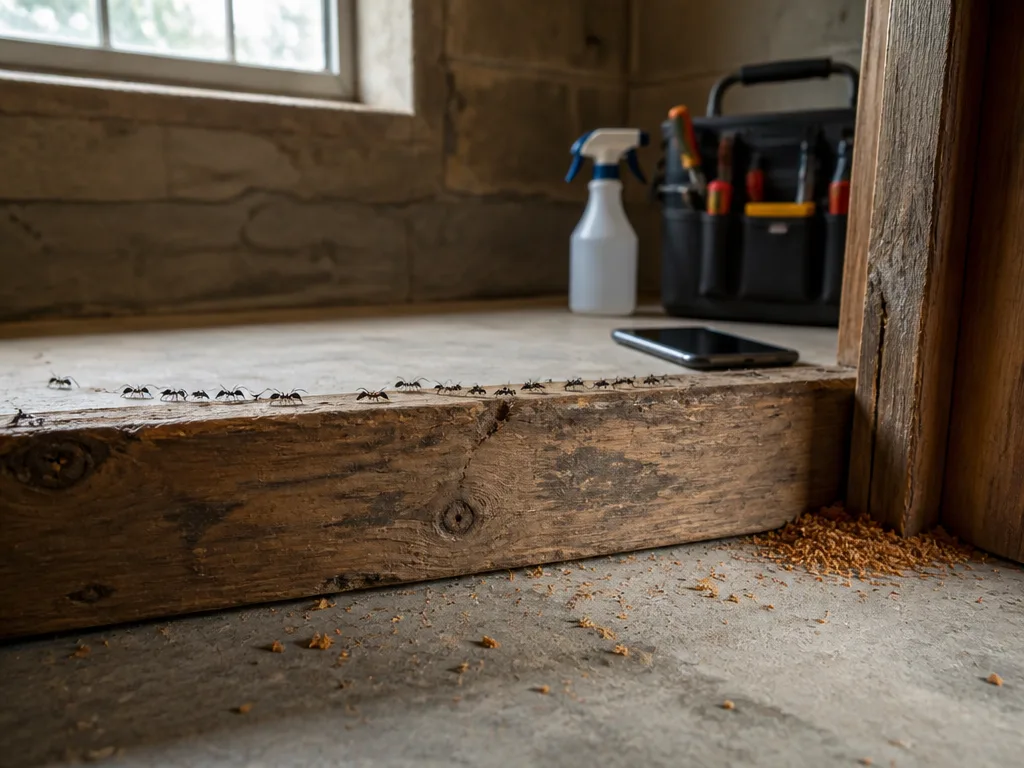
Carpenter ants leave telltale marks behind that make a lasting dent in homes. In Connecticut, homeowners often spot wooden galleries along baseboards, window frames, or porch posts. These ants hollow out wood to create tunnels, which can weaken structural framing over time if left unchecked. The first clue is usually a powdery, sawdust-like material that accumulates where wood is damaged. You may also hear faint rustling sounds inside walls or behind baseboards, especially during warm evenings when ants are active.
Our team at Connecticut Carpenter Ant Control has seen this pattern across many Connecticut homes. The important thing is to notice the pattern early. If you see irregular wood damage combined with the presence of small dark ants marching in a line, that’s a strong signal that you should have a pest control specialist take a look. Early detection saves more time and reduces the risk of more extensive wood damage later on.
Why Connecticut homeowners notice this issue
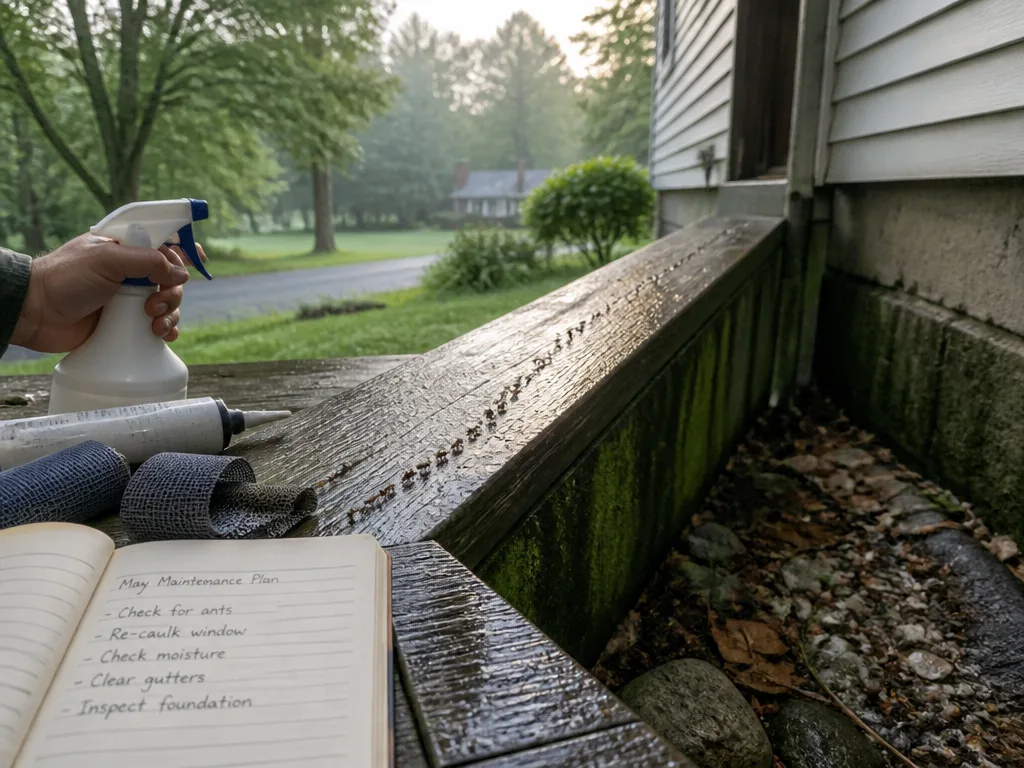
Connecticut’s varied climate means seasons bring different stress to homes. Hot summers can drive carpenter ants to relocate nests, while damp winters can keep them active in wall voids. Homes with moisture problems, like a leaky roof or a damp crawl space, are more vulnerable. If you’ve got exposed wood in kitchens, basements, or garages, you’re more likely to notice signs sooner. Our crews in every Connecticut metro understand how these ants behave in this climate and where to look first.
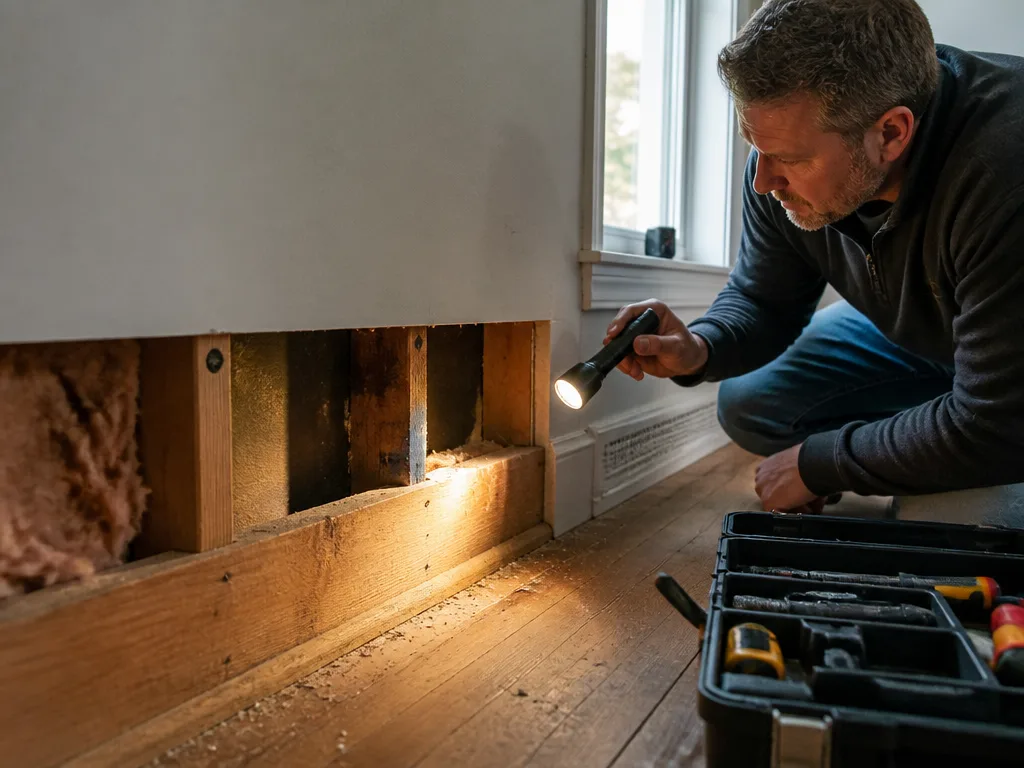
When you see warning signs, don’t ignore them. A pest control specialist will inspect accessible wood, check for moisture sources, and identify any nests. The goal is to stop damage before it grows and to narrow down the nest locations without unnecessary disruption to your home.
What you should do now
Document the signs with photos and note when you first noticed them. Keep a watchful eye on any new debris near woodwork and any wood that feels soft when pressed. If you’re unsure, call a pest control specialist for a no-obligation assessment. In Connecticut, a statewide approach means you can expect a local crew to respond with a plan that respects your space and your budget.
Quick-check list
- Inspect wood around baseboards, window frames, and doors for damaged areas
- Look for fine sawdust or frass near suspected galleries
- Note any hollow-sounding wood when tapped gently
- Observe outdoor areas for cracking or rotting wood near the foundation