Seasonal rhythms in Connecticut
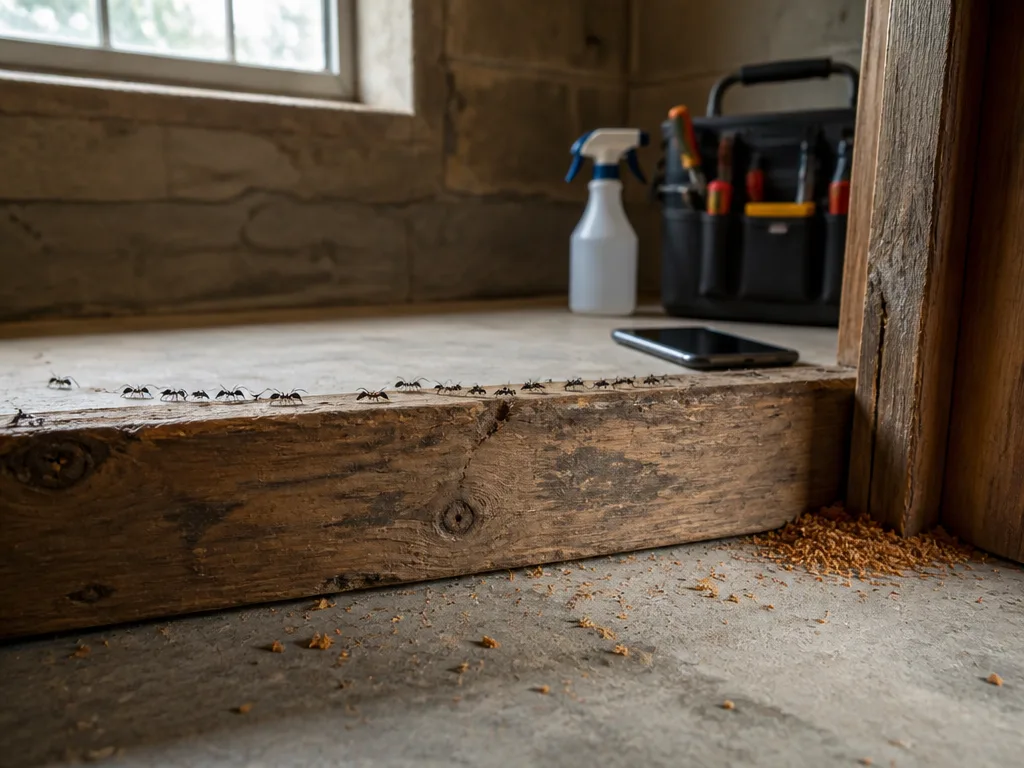
Carpenter ants track with the seasons. Spring brings colony expansion as temperatures rise, while late summer brings increased activity as food sources shift. Summer humidity can also trigger more movement through wall voids. In Connecticut, the mix of humid summers and cold winters creates a year-round opportunity for activity, especially around moisture-prone spots like basements, crawl spaces, and exterior wooden features.
Across the state, homeowners who stay proactive notice fewer problems. A pest control specialist can help you build a seasonal plan that fits your home and climate, focusing on prevention before damage happens.
Prevention steps you can take this year
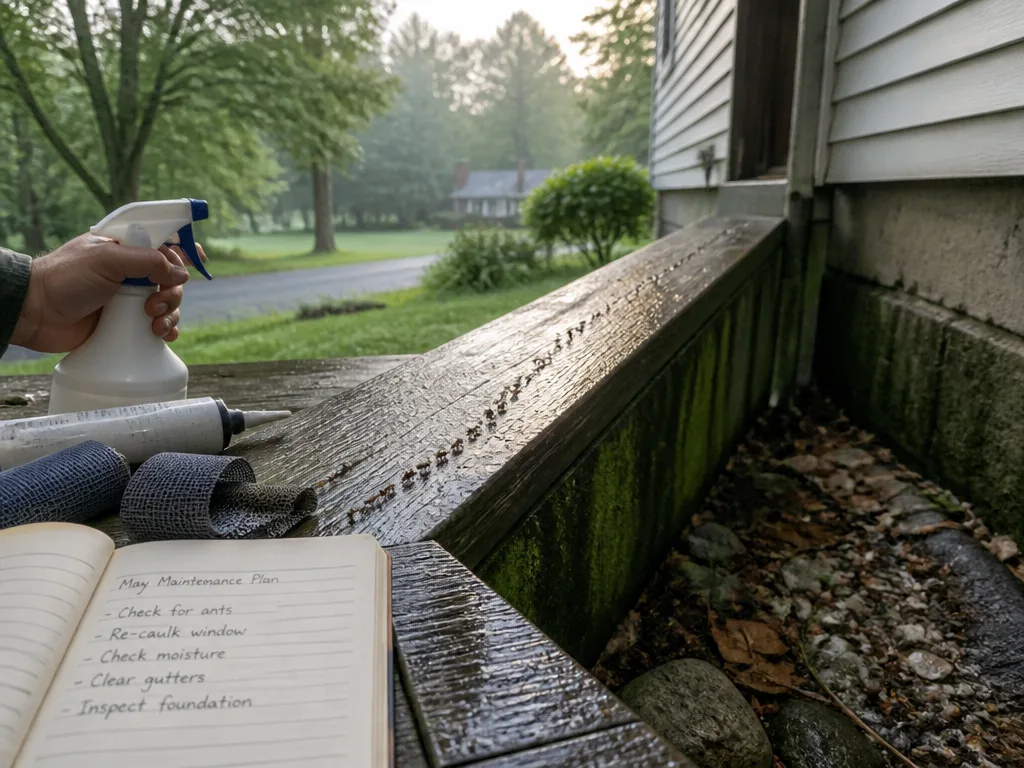
Start with moisture control. Fix leaks, improve drainage away from the foundation, and ventilate damp spaces. Keep wood away from soil contact where possible and move firewood away from the house. Trim vegetation that touches the exterior walls to reduce shelter from pests. Finally, seal gaps around doors and windows to reduce entry points. These steps pay off across Connecticut by reducing favorable conditions for carpenter ants.
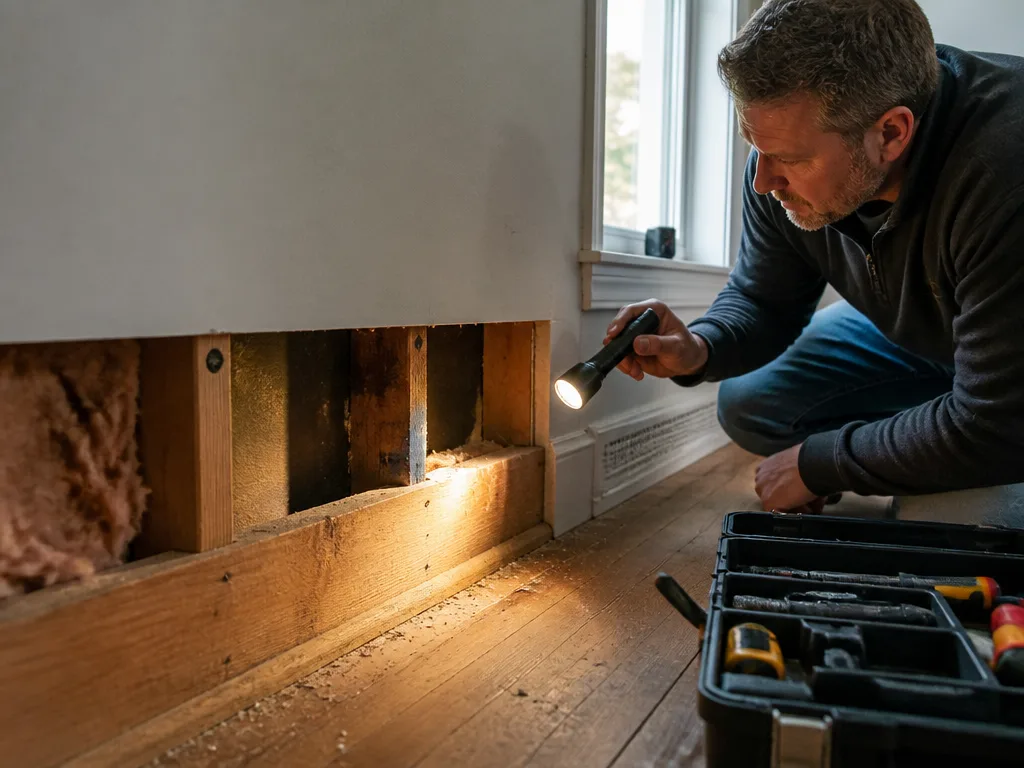
Schedule a seasonal inspection with a pest control specialist. A good inspection looks at attic and crawl spaces, window and door frames, and any exterior wood that could be damaged. The goal is to spot early signs and catch issues when they’re easier to manage. In Connecticut, a statewide service means you won’t have to chase down a local option; you’ll get a crew that understands how climate shapes pest behavior through the year.
What to expect from a seasonal plan
You’ll receive a clear checklist for the season, with priorities such as eliminating moisture sources, addressing wood damage, and monitoring high-risk areas. If action is needed, the pest control specialist will outline the steps, share a timeline, and explain what you can do to help between visits. This approach keeps your home safer and healthier across all corners of Connecticut.